All Categories
Featured
Building Financial Security with Term Life Insurance
Comprehensive Life Insurance Options for United States ...


Essential Medicare Enrollment Tips in 2026
Table of Contents
Like all health insurance, receiving in-network care is best to keep your out-of-pocket costs low. Nevertheless, unlike HMO strategies that will not cover any part of your bill if you look for out-of-network care (except in a covered emergency), you can get out-of-network care when traveling out of your regular plan network area with a PPO policy.
Insurance in Perris CACost-conscious people should think about a couple of drawbacks to PPO prepares that might make getting care more pricey. While they're flexible and convenient, PPO plans have greater premiums. According to KFF, PPO strategies had the highest yearly premiums compared to HMOs and point-of-service plans (POS) in 2023. You'll likewise have to pay more pricey medical expenses if you receive care from an out-of-network supplier.
If you do have a deductible, it's likely to be more expensive than other plan types. While your insurance provider will share the cost with you, you'll likely pay a higher coinsurance percentage for out-of-network suppliers. When you visit an in-network provider, they'll file your claim to your health insurance company in your place.
PPO policyholders might discover the claim filing process complicated if they're not utilized to it or lengthy if they often require out-of-network care from an expert. In 2023, the typical annual premium for a group PPO strategy was $8,906 for self-only coverage and $25,228 for household coverage2. Employers contributed $7,399 toward a self-only plan, and staff members contributed $1,507.
2026 Whole Life Insurance Prices for Families
The average deductible for PPO plans was $1,281. As mentioned above, PPO plans purchased on the ACA markets also have an optimum out-of-pocket limitation of $9,450 for self-only protection and $18,900 for family plans. To sum up how HMO and PPO plans vary, inspect out our quick chart. Self-only protection: $8,203 Household coverage: $23,758 Self-only protection: $8,906 Family protection: $25,228 For 2024 ACA market plans, the maximum limitation is $9,450 for self-only protection and $18,900 for family protection.

Yes No Yes No Some strategies do. Many plans do. Whether you have an HMO or PPO plan, you can leverage a health reimbursement plan (HRA) to lower out-of-pocket medical expenditures.
Just companies can release and contribute toward an HRA. Employers use an HRA to offer their workers a regular monthly allowance to pay for medical expenses. Once a worker buys a qualified item or service, they send paperwork revealing proof of purchase, and their company compensates them approximately their allowance amount.
Maximizing Indexed Universal Life Growth Potential in Retirement
Employee compensations will be tax-free if their specific health insurance uses minimum necessary coverage (MEC). Companies can repay employees for out-of-pocket expenditures and health insurance premiums, including those for an HMO or PPO plan. Specific coverage HRA (ICHRA): An ICHRA is also a stand-alone HRA, but it's offered to employers of all sizes and has no contribution limitations.
They should have a qualifying type of individual health coverage to get involved. Employers can set different allowances based on staff member classes for added customization. Group protection HRA (GCHRA): Likewise called an integrated HRA, a GCHRA is for companies of any size who provide a group health plan. Just staff members enrolled in their company's group plan can get involved.
While they have no maximum contribution limitations, the IRS does not permit repayments for monthly premiums. No matter whether it's used in coordination with an HMO or PPO plan, there's an HRA that can assist staff members pay for their out-of-pocket medical costs and, often, their health insurance premiums. An HRA is a popular alternative choice over traditional health advantages due to the fact that they're affordable for companies and versatile enough for every single staff member.
Analyzing PPO Provider Access and Costs
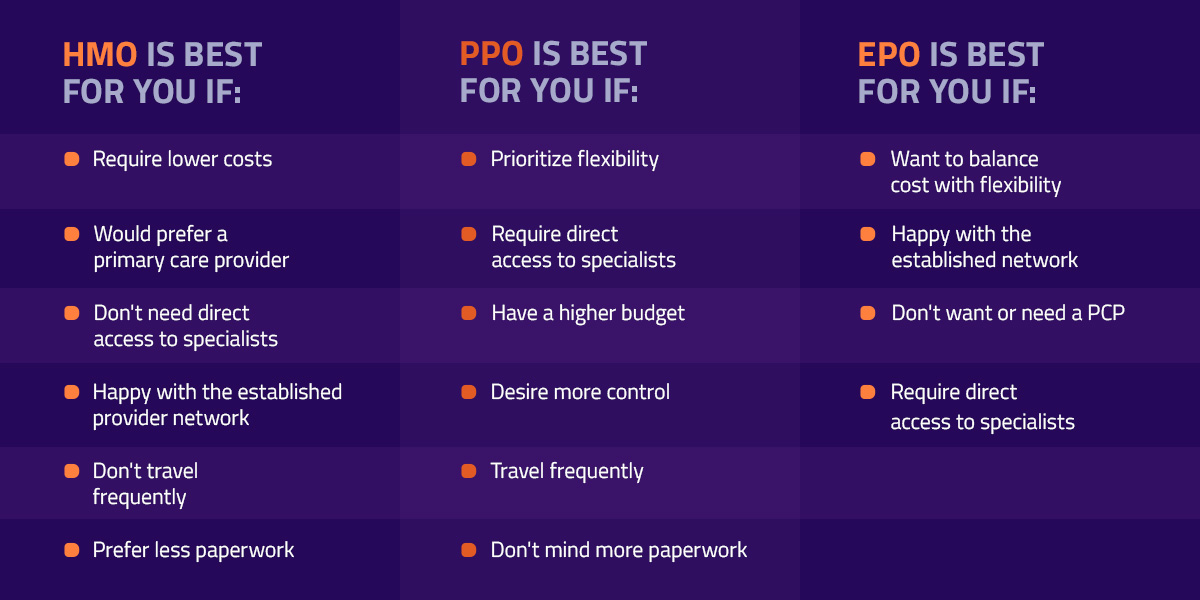
An HMO may be your best option if you're searching for a strategy with a low premium. A PPO plan supplies extra flexibility if you need more control over your health care. That's why looking into these plans thoroughly, including their pros, cons, and average expenses, is the finest initial step you can take previously making a choice.
(MEC). (ICHRA): An ICHRA is also a stand-alone HRA, however it's offered to employers of all sizes and has no contribution limitations.
They must have a qualifying type of specific health protection to get involved. Companies can set various allowances based upon employee classes for added modification. Group protection HRA (GCHRA): Likewise known as an incorporated HRA, a GCHRA is for employers of any size who use a group health insurance. Only workers enrolled in their employer's group strategy can take part.
2026 Whole Life Insurance Prices for American Families
While they have no maximum contribution limitations, the internal revenue service doesn't enable repayments for monthly premiums. No matter whether it's used in coordination with an HMO or PPO plan, there's an HRA that can assist employees pay for their out-of-pocket medical expenses and, often, their medical insurance premiums. An HRA is a popular alternative choice over traditional health advantages due to the fact that they're economical for companies and flexible enough for every staff member.
An HMO may be your best choice if you're searching for a plan with a low premium. However, a PPO plan supplies additional flexibility if you need more control over your health care. That's why researching these strategies thoroughly, including their pros, cons, and average costs, is the best initial step you can take before deciding.

Latest Posts
Essential Medicare Enrollment Tips in 2026

Building Financial Security with Term Life Insurance

Comprehensive Life Insurance Options for United States Veterans